Inherited and estate jewelry is valued by its precious metals, gemstones, and maker/era. Get a free, no-obligation evaluation before selling so you know what you have. Paradigm Experts in Springfield, VA, reviews whole estate collections, fine and costume, intact or broken, discreetly and with no pressure to sell.
Settling an estate is rarely just paperwork. Somewhere in the process, most families open a drawer, a safe, or a velvet box and find jewelry that belonged to a parent, grandparent, or spouse. These pieces carry memories, and they may also carry real value. If you're handling an inheritance or an estate liquidation across the Washington DC metro, one of the most common questions is also one of the hardest to answer alone: what is this jewelry actually worth, and where should I sell it?
This guide is written with that moment in mind. Our goal is to help you make an informed, unhurried decision, whether you're in Springfield, Fairfax, Alexandria, McLean, or anywhere in Northern Virginia.
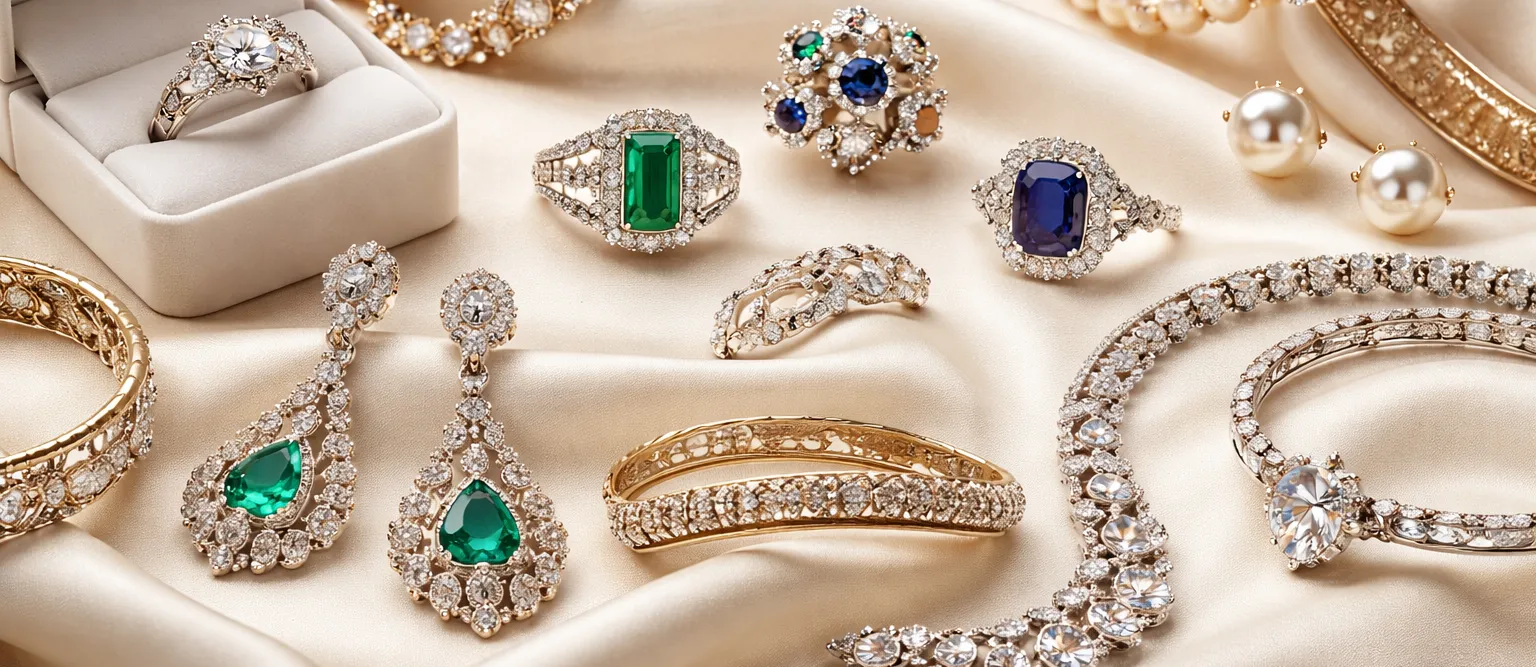
Estate jewelry is simply jewelry that has been previously owned; it does not have to be antique, though many inherited pieces are. Value comes from a combination of factors, and understanding them helps you see why two similar-looking pieces can be worth very different amounts.
The metal is the foundation. Gold (and its karat purity), platinum, and silver each carry an intrinsic value based on weight and current market conditions. Even pieces that are damaged, mismatched, or missing stones often retain worth through their precious-metal content.
Diamonds and colored gemstones are evaluated on their own merits: size, cut, color, clarity, and overall condition. An older diamond may have a vintage cut that differs from modern stones, which is part of assessing it accurately rather than a flaw.
This is where inherited jewelry can surprise people. A signed piece from a recognized maker, a period design (Victorian, Art Deco, Retro, and others), or exceptional hand craftsmanship can carry value beyond the raw materials. Hallmarks, signatures, and original boxes or paperwork all help tell the story of a piece and support its valuation.
Because these factors interact, guessing based on appearance alone is unreliable. That's exactly why a proper evaluation matters before you sell anything.
When you're managing an estate, the safest first step is knowledge. A professional evaluation gives you a clear, item-by-item understanding of what you have before any decision to sell is made. There should be no pressure to sell simply because you asked.
A trustworthy buyer will examine each piece transparently, explain how the assessment was reached, and answer your questions. You should leave the conversation understanding your jewelry better than when you arrived, regardless of whether you choose to sell it that day, later, or not at all.
Many families are confused by two different numbers, and it's an important distinction.
Seeing a high insurance figure on an old document and expecting that amount at sale is one of the most common sources of disappointment. A good buyer will explain which type of value applies to your situation so your expectations are grounded in reality.
Inherited jewelry rarely arrives as one perfect piece at a time. More often it's a mixed collection: a few fine rings, some costume pieces, loose diamonds, broken chains, old coins, and a watch or two. You do not need to sort or clean any of it beforehand, and you don't need to know what's valuable and what isn't.
A buyer experienced with estate lots can review everything together, identify the pieces with meaningful value, and give you an honest picture of the collection as a whole. This saves you the burden of trying to evaluate items yourself and ensures nothing valuable is overlooked simply because it looked ordinary.
Selling inherited belongings is personal. You deserve a private, respectful setting, clear communication, and time to think. Look for a local buyer who welcomes questions, explains the process openly, and never rushes you toward a decision. Working with an established business in your own community, rather than mailing pieces away or accepting an anonymous online offer, also means you can meet face-to-face and keep your items in your hands until you decide.
It's strongly recommended. A no-obligation evaluation tells you what you have and what it may be worth in today's market, so you can decide with confidence rather than guesswork.
An insurance valuation reflects retail replacement cost and is typically higher. A sale value reflects what the item can realistically sell for now. When you're selling, the sale value is the relevant figure.
Yes. You can bring the whole lot as-is. Damaged, incomplete, or costume items can be reviewed alongside fine pieces, and precious-metal content often still holds value even when a piece isn't wearable.
Yes. A reputable buyer offers a free, no-obligation, and discreet evaluation. You're never required to sell, and you should feel comfortable taking your time.
If you're navigating an inheritance or estate liquidation anywhere in the DC metro, from Burke and Lorton to Vienna, Tysons, Falls Church, and Arlington, we're here to help you understand your jewelry before you make any decision.
Paradigm Experts: 6310-A Springfield Plaza, Springfield, VA 22150, (703) 650-5034
Stop by for a free, transparent, no-pressure evaluation. Whether you sell today or later or simply want clarity for the estate, you'll leave knowing exactly what you have.