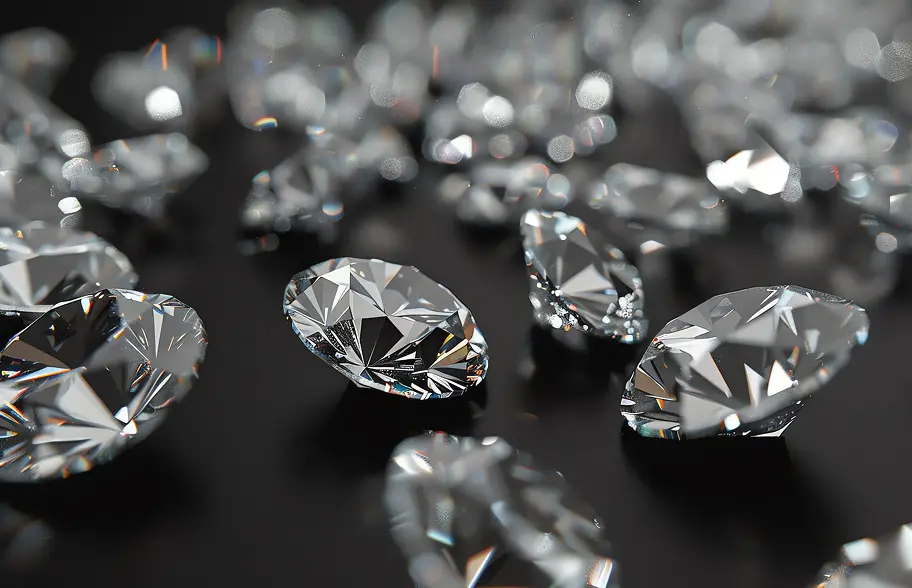
TLDR: Lab-grown diamonds have dropped dramatically in resale value — a 1-carat lab-grown diamond now sells for a small fraction of the price of a comparable natural stone. If you're selling a diamond ring, knowing whether your diamond is natural or lab-grown is the single most important factor affecting what you'll receive.
Natural diamonds retain 20-60% of retail value at resale, while lab-grown diamonds retain only 10-20% — and lab-grown prices continue to decline over time. If you're selling a diamond, the natural vs. lab-grown distinction is the single biggest factor in what you'll receive.
Lab-grown diamonds now account for a large share of all engagement rings sold in the U.S. Lab-grown stones cost roughly 73% less than natural diamonds overall.
Check: Grading report (GIA, AGS, IGI states origin), Laser inscription ('LG' ongirdle), Age (pre-2015 jewelry almost certainly contains natural diamonds), Professional testing at your appointment.
An inexperienced buyer may price a natural diamond as if it were lab-grown, potentially costing you thousands. We evaluate the full piece — settings, accent stones, and designer brands all contribute to total value.
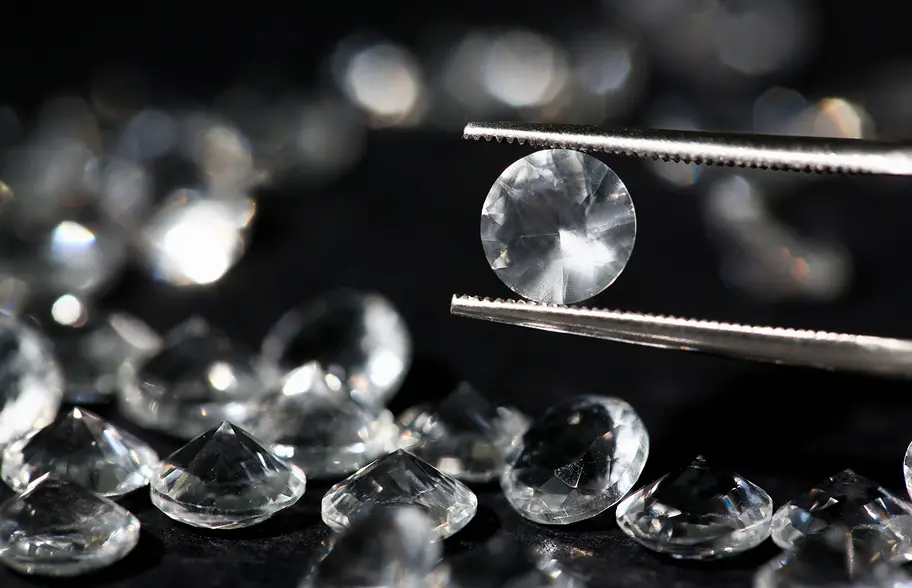
Natural diamond supply is constrained while demand for pre-owned pieces is growing. Rising tariffs on new jewelry imports have increased the value of existing pieces. If you have a certified natural diamond, the current market is favorable for sellers.
Paradigm Experts evaluates both natural and lab-grown diamonds in Springfield, VA. Call(703) 650-5034.