





Reviewed by Paradigm Experts - Last reviewed
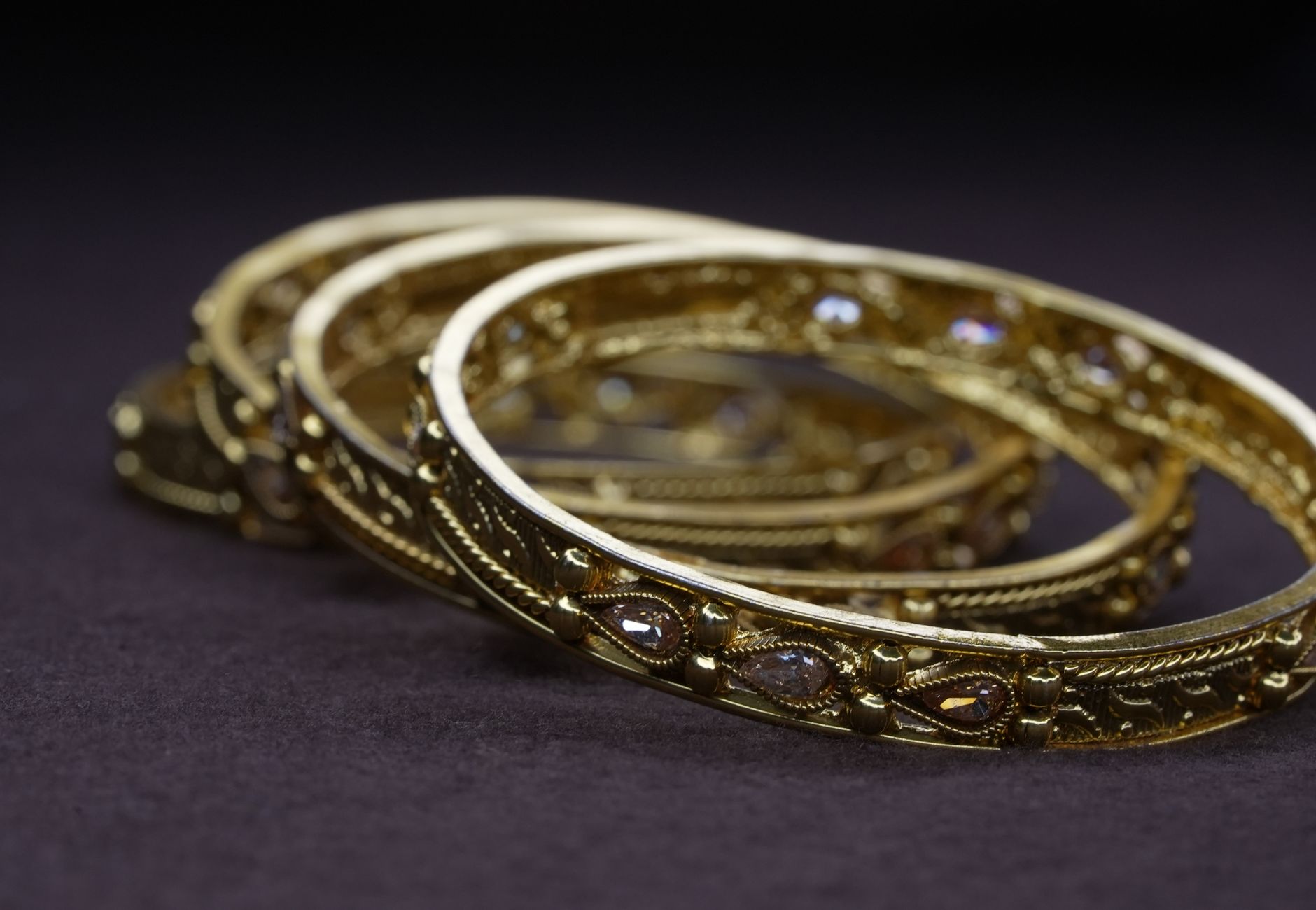
Most people who bring in a drawer of old gold jewelry have never sold gold before, and the one or two mistakes that cost the most money are rarely the ones a first-time seller expects. Paradigm Experts evaluates gold jewelry, diamonds, sterling silver flatware, coins, bullion and luxury watches at its Springfield, Virginia office every week, and the same errors show up on the counter again and again. Selling to the first buyer who makes an offer. Mailing a piece to a national buyer sight unseen. Scrapping a ring that still has a stone worth more than the gold around it. Here is what actually costs sellers money, and what to do instead.
The costliest mistake: taking the first offer without checking the live number behind it
The single most expensive mistake a gold seller makes is accepting the first offer without knowing what the live market is doing that day, because gold offers are built from a spot price that moves throughout the trading session. Spot gold is quoted continuously and can be checked by anyone before a single piece changes hands, through a public live chart such as Kitco's live gold price chart. Paradigm Experts prices gold jewelry at up to 90% of melt value based on that live spot number, which means the figure a seller is offered on a Tuesday afternoon should move if spot moves before the appointment.
A seller who walks in without glancing at that number first has no way to tell whether an offer tracks the market or lags behind it. Checking the live price costs nothing and takes under a minute on a phone in the parking lot. It is the single easiest way to walk into any gold evaluation, anywhere, already informed. See how gold jewelry offers are built at Paradigm Experts for the full breakdown of karat, weight and spot pricing.
Mistake: not knowing your own karat before you walk in
Not knowing the karat stamp on a piece before selling it means a seller has no baseline for the offer they're given, since karat determines exactly what percentage of the metal is actually gold. Under the FTC's Jewelry Guides (16 CFR Part 23), a piece marked 10k is roughly 41.7% gold, 14k is 58.3%, 18k is 75%, and 24k is 99.9% pure. Two rings that look identical can be worth very different amounts once weighed, because the karat changes the math entirely.
Hallmarks wear smooth on rings worn daily for decades, and some estate pieces were never stamped clearly to begin with. That is normal, and it is one reason every piece is tested in front of the seller before an offer is made rather than priced sight unseen. A seller who at least knows roughly what karat they're holding, even from an old receipt or a matching piece in the same set, walks into the Springfield office with a much better sense of whether the number on the table makes sense.
Mistake: mailing gold to a national buyer instead of selling it in person, locally
Mailing gold jewelry to a national buy-back company means giving up a piece before it is tested and before a number is on the table, which removes a seller's ability to simply decline and keep the item. A mail-in offer arrives after the piece has already left the seller's hands, and negotiating from that position is far harder than negotiating across a counter. Paradigm Experts offers a free, private evaluation at the Springfield, VA office at 6310-A Springfield Plaza, with a second location in Vienna, VA by appointment, so the piece never has to leave the seller's sight before a figure is offered.
This matters most for sellers in the surrounding area, including Fairfax, Arlington, and Alexandria, where an in-person evaluation is a short drive rather than a package sitting in transit for days. If a piece is accepted, payment is made the same day by check or e-check, which a mailed transaction simply cannot match.
Mistake: scrapping a ring or pendant that still holds a diamond or colored stone
Stripping the stone out of a ring or pendant before selling it as scrap gold throws away value, because a mounted diamond or gemstone is frequently worth more on its own than the metal surrounding it. This is the single most common way sellers underprice an engagement ring, a pendant, or an estate piece that still carries its original stone. A ring sold as "just gold" after the diamond has been popped out and set aside has already lost whatever that stone was worth to the person doing the weighing.
Diamonds and colored stones are evaluated separately from the metal they're set in, and a piece with a GIA or AGS certificate attached, even an older one found in a drawer with the paperwork that came with it, gives a seller a head start on that conversation. Full details on how mounted stones are evaluated are on the diamond and engagement ring buying page. The short version: bring the ring whole. Never remove the stone first.
Mistake: treating estate gold, coins and sterling silver flatware as one undifferentiated pile
Lumping an inherited jewelry box, a few old coins, and a set of flatware together as "all just old gold and silver" undervalues the collection, because each category is priced by a different method. Estate jewelry can carry design or maker value beyond its metal weight, rare coins and bullion are priced against spot plus numismatic premium where it applies, and sterling silver flatware is priced by weight and purity rather than by piece count.
A seller sorting through a relative's belongings rarely has the background to separate these categories correctly, and that is reasonable: most people only do this once. Separating the pile loosely by type before an appointment, jewelry in one bag, coins in another, flatware wrapped separately, makes the evaluation faster and gives a clearer answer on each category. See the estate and antique jewelry buying page and the coins and bullion buying page for what each category typically involves.
What to bring and what happens on the day you sell
Selling gold jewelry at Paradigm Experts starts with a free, private evaluation, either at the Springfield, VA office (walk-ins welcome) or at the Vienna, VA location (by appointment only), and ends with same-day payment if an offer is accepted. Bring the pieces themselves, any paperwork that came with them such as an old receipt or certificate, and a photo ID. There is no obligation to sell once an offer is made, and no fee for the evaluation itself.
On the day, each piece is weighed and tested in front of the seller, priced against the live spot number for that session, and an offer is made on the spot. If it's accepted, payment goes out the same day by check or e-check. If it's declined, the seller walks out with the jewelry exactly as they walked in with it. Appointments can be booked through the contact page, and sellers across Northern Virginia and the full Paradigm Experts service area are welcome to book either location.
Frequently Asked Questions
Do I need to clean my gold jewelry before selling it?
No, cleaning is not required before an evaluation, and attempting to polish a piece at home risks scratching soft gold or loosening a stone. Bring the piece as it is; testing happens regardless of surface condition.
What if my ring doesn't have a hallmark or karat stamp?
A missing or worn karat stamp does not stop an evaluation, since every piece is tested in person rather than priced from the stamp alone. Worn hallmarks are common on rings worn daily for years.
Can I sell just the gold setting and keep the diamond?
It's possible, but it's rarely the better option, since a mounted diamond is usually evaluated for more than the metal alone is worth once removed. Bringing the ring whole, with the stone still set, gets the fuller picture before any decision is made.
How fast will I get paid after I accept an offer?
Payment is made the same day an offer is accepted, by check or e-check. There is no waiting period and no second appointment required.
Does Paradigm Experts buy sterling silver flatware too?
Yes, sterling silver flatware is bought alongside gold jewelry, diamonds, estate jewelry, coins, bullion and luxury watches, priced separately by weight and purity. See the full list of what's bought on the FAQ page.
Sources
Last updated:

