





Reviewed by Steve Gouterman, Founder, Paradigm Experts - Last reviewed
Last updated:
If you're holding gold Eagles, Krugerrands, silver bars, or a jar of old Morgan dollars and wondering whether now is the moment to sell, the honest answer depends on two things that have nothing to do with sentiment: how spot pricing actually moves day to day, and what your specific coins are worth beyond their metal content. Paradigm Experts in Springfield, Virginia evaluates coins and bullion against live spot pricing every day, and this guide walks through what's changed in how that pricing works, what determines your offer, and what happens once you decide to sell. See the full coins and bullion buying page for what's typically accepted.
What has actually changed in the coins and bullion market
The biggest shift in the coins and bullion market over the past few years is not a single price event, it's how fast and how publicly that price now moves. As of , gold and silver spot prices are set continuously during market hours through benchmark mechanisms like the London Bullion Market Association's twice-daily gold and silver price auctions, and that number now streams live to anyone with a phone, not just to dealers. That transparency changes the seller's position: you no longer have to accept a number on faith. A reputable buyer should be able to show you the live spot figure at the moment they make an offer, the same way Paradigm Experts prices against live Kitco spot data when evaluating coins and bullion in Springfield. The practical effect for someone deciding whether to sell is that timing a sale to "the top" is far less realistic than it sounds. Spot moves by the minute, and a coin dealer's offer reflects the market at the moment you sit down, not the headline number from a week-old news story.
How Paradigm Experts prices coins and bullion in Springfield
Paradigm Experts pays over 95% of melt value on gold bullion and gold coins, calculated against live Kitco spot pricing at the time of your appointment, not a number pulled from an old chart. Melt value is the weight of the precious metal in the piece multiplied by the current spot price for that metal; anything above that reflects rarity, condition, or collector demand rather than metal content alone. Evaluations are free and done privately, either at the Springfield office at 6310-A Springfield Plaza, where walk-ins are welcome, or by appointment only at the Vienna location. That matters for coins specifically because distinguishing a common-date bullion coin from a scarcer date or mint mark takes someone who handles these pieces regularly, not a scale and a spot chart. If you want a straightforward look at what's typically bought and how a visit works, the coins and bullion page covers it before you book an appointment.
What determines the number you're offered
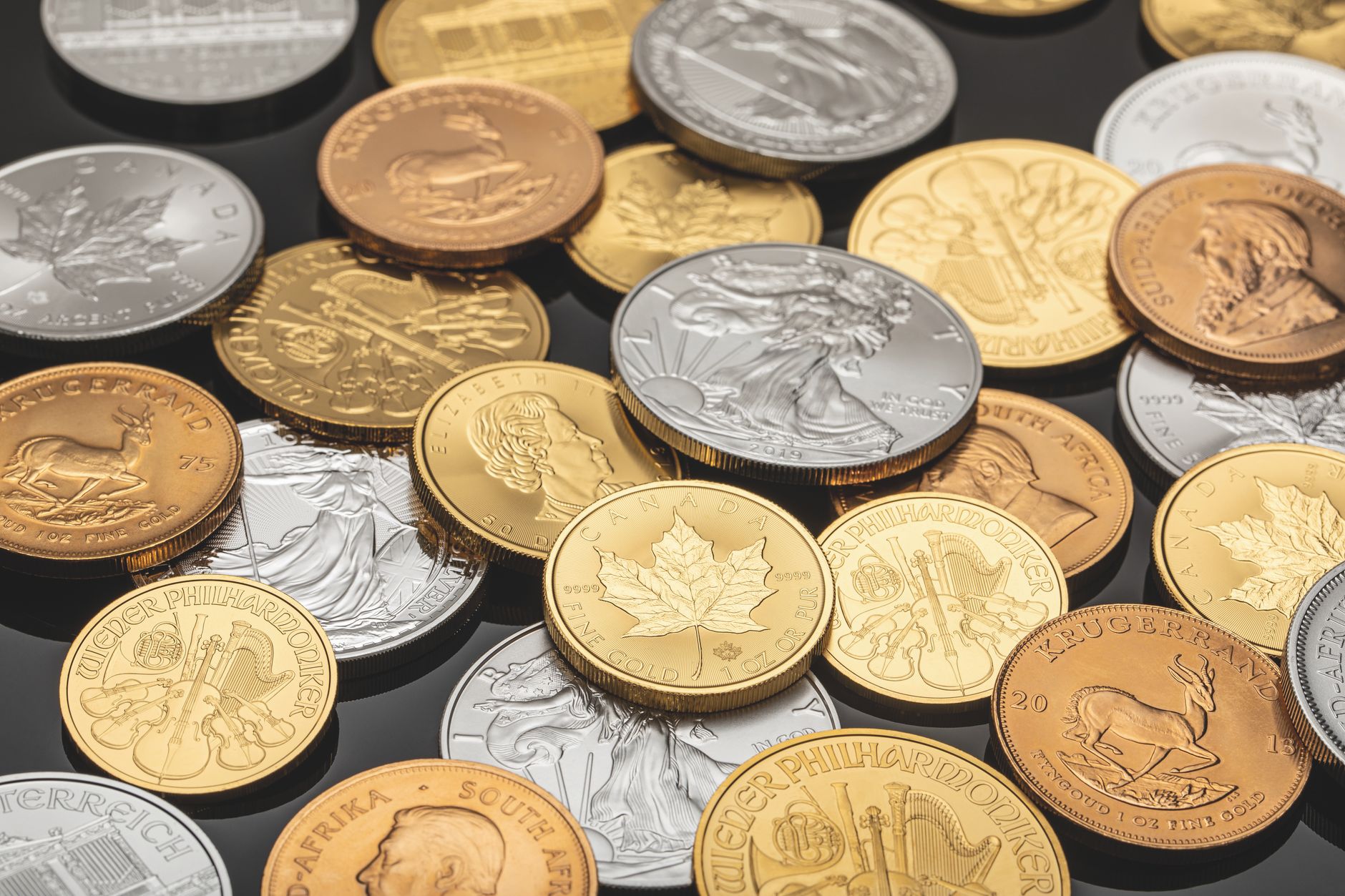
Four things determine what you're offered for coins or bullion: metal purity, total weight, current spot price, and whether the piece carries numismatic value above its melt content. A .999 fine silver bar is priced almost entirely on weight and spot; a 1921 Morgan dollar in uncirculated condition may be worth several times its silver content because collectors want that specific date and grade. Gold American Eagles and Krugerrands are usually valued close to melt with a modest premium, while older or lower-mintage coins can carry a collector premium that a scale alone won't capture. Condition matters too: cleaning a coin, even gently, can strip value that a numismatist would otherwise pay for. This is why an in-person evaluation outperforms a phone quote. Someone actually needs to look at the date, mint mark, and surface of each piece before quoting a number, rather than assuming everything is bullion-grade. If you're unsure whether what you're holding is common bullion or something with collector value, bring it in rather than guessing from a coin book at home.
What sellers should know about taxes before deciding to sell
Coins and bullion sold at a profit are generally taxed as collectibles under federal law, which caps the long-term capital gains rate at 28%, higher than the standard long-term rate that applies to stocks. This comes from IRC Section 408(m) and is summarized in the IRS's own guidance on capital gains and losses (Topic No. 409). That's a material detail if you inherited coins with a low cost basis or bought bullion years ago at a much lower spot price: the gain, not the sale price alone, is what gets taxed, and the rate ceiling is different from most other investments. Paradigm Experts does not provide tax advice, and this isn't a substitute for talking to an accountant about your specific basis and holding period, but it's worth knowing before you decide whether to sell this year or wait. Nobody should time a coin sale purely around a tax rate they haven't confirmed applies to them.
What to bring and what happens on the day you sell
Bring the coins or bullion themselves, the paperwork that came with them if you have any, and a photo ID; that's the full list for a free evaluation at Paradigm Experts in Springfield. There's no need to clean coins, sort them, or research values first, since that work happens during the evaluation itself. Once you accept an offer, payment is made the same day, by check or e-check. Evaluations happen privately at the Springfield office (walk-ins welcome) or the Vienna location (by appointment only), so you're not standing at a public counter with your coins visible to other customers. If you're coming from Fairfax, Arlington, or elsewhere in Northern Virginia, the Northern Virginia locations page lists service areas, and you can book directly through the Paradigm Experts contact page.
Why selling to a dealer differs from a marketplace listing
Selling coins or bullion to a dealer settles the transaction in one visit with same-day payment, while a marketplace listing or auction trades that speed for a wider pool of buyers and weeks of uncertainty. A private sale or online listing can occasionally produce a higher number for a genuinely rare coin, but it also means photographing each piece, fielding lowball offers, shipping insured items to strangers, and absorbing marketplace fees that eat into whatever premium you were chasing. A dealer evaluation removes that entire process: one appointment, one offer based on the coin in front of them, and payment before you leave. For common bullion coins and bars, where value is tied almost entirely to metal weight and current spot, the marketplace premium is usually small enough that the time and risk aren't worth it. For a genuinely scarce date or a coin in exceptional condition, it's reasonable to ask whether a specialist auction house might do better, and a straightforward evaluation will tell you which category your coins fall into before you decide.
Should you sell your coins and bullion now, or wait for a better spot price?
Waiting for a specific spot price target before selling coins or bullion is speculation, not a selling strategy, and for most people holding common bullion it isn't worth the wait. Spot gold and silver move on macro factors that no home seller can predict better than the futures market already has, and the gap between "close enough" and "perfect" timing is usually small once you account for the numismatic premium tied to the coin itself. That said, it's a defensible strategy if you're holding a genuinely rare date or an uncirculated piece where collector demand, not metal weight, sets the price. If your Roosevelt dime roll or Krugerrand trades almost entirely on melt, the number you're offered today reflects the market today, and holding out for a specific headline price is a bet on the metals market, not a coin decision. If liquidity matters more to you than squeezing out the last few dollars of a price swing, a same-day evaluation at Paradigm Experts settles the question directly.
Frequently Asked Questions
Is now a good time to sell gold or silver coins?
There's no single answer that applies to everyone, because it depends on your cost basis, how urgently you need the funds, and whether your coins carry collector value beyond melt. Spot price moves throughout the day, so "now" really means the moment you get an in-person evaluation against live pricing rather than a headline number from weeks ago.
What's the difference between melt value and what a coin sells for?
Melt value is the metal weight multiplied by current spot price, while the sale value can be higher if the coin has collector demand tied to its date, mint mark, or condition. Paradigm Experts prices coins and bullion in Springfield against live Kitco spot for the metal component, then accounts for numismatic value separately when it applies.
Do I need to clean my coins before bringing them in?
No, and cleaning a coin can actually reduce its value to a collector by damaging its original surface. Bring coins exactly as you found them, whether that's a coffee can of old silver dollars or a sealed roll of American Eagles.
How fast do I get paid after accepting an offer?
Payment is made the same day you accept, by check or e-check. There's no waiting for a check to clear or a follow-up appointment to collect funds.
Do I owe taxes if I sell coins or bullion at a gain?
Generally yes: coins and bullion are treated as collectibles under federal tax law, with long-term gains capped at a 28% rate rather than the lower rate that applies to most investments, according to the IRS's Topic No. 409. A tax professional can confirm how this applies to your specific holding period and basis. For more on how offers are worked out across other items, see the full FAQ page.

